
Mobile Elevated Work Platforms (MEWPs) – Cherry Picker C53
DESCRIPTION
Unit Standard (SAQA Reg. No 243272)
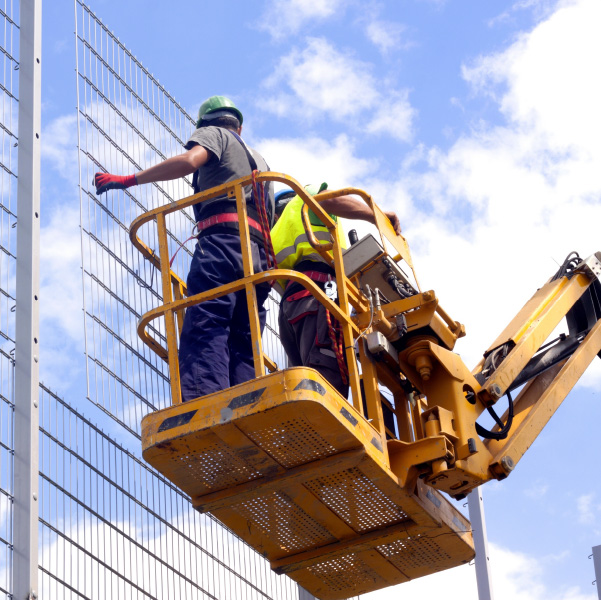
MEWPs make up a specific group of specialized machines that enable people to work at heights. They are used to move personnel to working positions on the platform, with the intention that workers get on and off the platform only at designated access points at ground level or on the chassis. At a minimum, a MEWP consists of a work platform with controls, an extending structure, and a chassis.Operators who are not adequately trained in MEWP operations are at significant risk of injury or death. Proper training is essential, and DMR 18(11) prohibits the operation of MEWPs by untrained personnel.
This course will help the learner become a fully qualified MEWP operator with the knowledge, skills, and experience to operate a Mobile Elevated Work Platform safely and professionally. Upon certification, the operator will be able to add value to any organization.
Mobile Elevating Work Platforms (MEWPs) include, but are not limited to, Cherry Pickers, Scissor Lifts, Boom Lifts, Access Platforms, Man Lifts, Personnel Lifts, and Aerial Work Platforms.
Successful candidates credited with this unit standard are able to:
- Identify applications to decide on the appropriate Mobile Elevating Work Platform to be used.
- Assess risks in the work environment to prevent and eliminate safety hazards.
- Conduct pre-operation inspection of Mobile Elevating Work Platform.
- Make use of safe operating procedures and practices for a Mobile Elevating Work Platform.
- Place people, tools and equipment correctly and safely on Mobile Elevating Work Platform.
- Conduct shut-down procedures and stow Mobile Elevating Work Platform safely
COURSE DURATION:
- Novice: 5 Days
- Refresher: 1 day
NQF LEVEL: 2
CREDITS: 10
Quality Assured Partner: Transport Education And Training Authority
Description
Mobile Elevated Work Platforms (MEWPs) – Learning Outcomes
A person who completes this course will be able to safely operate and use a Mobile Elevated Work Platform (MEWP). The learner will be capable of assessing the work environment to identify any safety hazards, preventing or eliminating such hazards and potential losses. They will also be able to conduct pre-inspection tests and operate the MEWP under safe conditions. The focus areas of this programme will be:
.Programme Introduction
Unit Standard Information
Legislative Requirements
- General Duties Of Employers To Their Employees
- General Duties Of Employers And Self-Employees Persons To Persons Other Than Their Employees
- Duties To Inform
- General Duties Of Employees At Work
General Safety Regulations 2
- Personal Safety Equipment And Facilities
- Intoxication
- Admittance Of Persons
General Safety Regulations 8
- Stacking Of Articles
Driven Machinery Regulations 18
- Lifting Machines, Hand-Powered Lifting Devices And Lifting Tackle
Construction Regulations
- Construction Vehicles And Mobile Plant
General Safety Regulations
National Code Of Practice
- Programme Break-Down And Duration
- Learners Without Prior Training Or Experience
- Operators With Previous Certification (Re-Certification)
Managerial Responsibilities
MEWP Types
Crane Code C53
MEWP Category
- Scissors MEWP’s
- Boom MEWP’s
- Vehicle Mounts
Selecting The Most Appropriate MEWP For The Job
Workplace Analysis
- Required Elevation
- Required Horizontal Outreach
- Required Capacity
- Suitable Support And Driving Condition
- Hazardous Atmospheric Conditions
- Work Related Inside
- Access To The Work Area
- Other Factors To Consider
MEWP Hazards And Risks
- Transport And Delivery To Site
- Storage/Charging Area
- Positioning Before And During Work
Handling Material
Hazards During Use
Assessment Of Ground Conditions
Ground Assessments
Site Categories
- Greenfield Sites
- Beaches
- Filled Construction Sites (Brownfield Sites)
- Paved Area (Roads, Pavements, Paths & Car Parks)
- Town Centre Sites
Ground Condition Hazards
- Uncompact Fill
- Proximity To Excavations
- Floors, Cellars And Basements
- Paved Area
- Underground Utilities/Services
- Weather Conditions
- Outrigger Foundations
Maintenance
- Thorough Examination
- Operator Training And Certification
- Familiarization
- Personal Protective Equipment (PPE)
- Emergency And Rescue Procedure
Personal Protective Equipment (PPE)
Hard Hats
- Impact Hazards
- Electrical Hazards
- Ensure Proper Fit
- Accessories And Modifications
- Inspection And Maintenance
Safety Glasses
- Chemical Hazards
- Inspection And Maintenance
Gloves
- Abrasion Hazards
- Cut Hazards
- Glove Material Applications
Protective Footwear
- Impact Hazards
- Puncture Hazards
- General (PPE) Safety
Activities requiring fall Protection Equipment
- Types Of Fall Protection Equipment
- Work Restraint Systems
Working Near Water
Scissors Lift Operational Safety
Boom Lift MEWP Operational Safety
- Electrocution Hazards
- Tip-Over Hazards
- Fall Hazards
- Bodily Injury Hazards
- Collision Hazards
- Explosion And Fire Hazards
- Damaged Machine Hazards
Battery Safety
- Burn Hazards
- Explosion Hazards
- Electrocution Hazards
- Component Damage Hazards
General MEWP Hazards, Typical Causes And Control Measures
- Travelling To And From Work Area
- Accessing The Work Area And Working At Height
MEWP Emergency Procedures
Incapacitated Operator
- Rescue Procedure
- Lowering The Platform
- Ground Control Key
Common Rescue Problems
- 10 ways to reduce the risk
Fine Control
Hazardous Materials
Material Safety Data Sheets (Documentation)
- Employer Responsibilities
- Sections Of The MSDS’s And Their Significance
Labelling: Dangerous Goods & Substances
- Toxic And/Or Corrosive (Combustible) Substances
- Radioactive Material (Low To High Level Radiation
- Flammable Liquids (Polar/Water-Miscible) Potential Hazards
- Flammable Solids-Toxic And/Corrosive Potential Hazards
- Substances-Spontaneously Combustible-Toxic (Air-Reactive) Potential Hazards
- Substances-Water-Reactive (Emitting Flammable And Toxic Gasses
- Oxidizers (Unstable) Potential Hazards
- Organic Peroxides (Heat And Contamination Sensitive/Temperature Controlled Potential Hazards
- Substances-Toxic (Non-Combustible) Potential Hazards
- Infectious Substances Potential Hazards
- Mixed Load/Unidentified Cargo Potential Hazards
- Gases-Inert Potential Hazards
- Gases-Flammable-Corrosive Potential Hazards
- Gases-Oxidizing (Including Refrigerated Liquids) Potential Hazards
Care And Maintenance Of Your Fire Extinguishers
- Fire Extinguisher Inspection
- Fire Extinguisher Maintenance
- How A Fire Extinguisher Works
- Types Of Fire Extinguishers
- How Fire Works
- Basic Fire-Fighting Tips
- How To Fight A Fire Safely
- Never Fight A Fire When
- What To Do When Your Clothes Catch Fire
Risk Assessment Template (MEWP)
Identify The Hazards
Evaluate The Risk
Define, Document And Implement Control Measures
- Define And Document The Control Measures
- Implement The Plan
Review And Update As Necessary
Data & Capacity Plates
Load Charts
MEWP Technical Information
MEWP Control Panels
- Example: Genie Ground Control Panel
- Example: Genie Platform Control Panel
MEWP Gauges, Switches And Controls
- Engine Oil Pressure Gauge
- Engine Water Temperature Gauge
- Clogged Hydraulic Return Filter Gauge
- Clogged Air Filter Gauge
- Alternator Charge Gauge
- Park Brake
- Hour Meter
- Fuel Level Gauge
- Sound Alarm Switch
- Ignition
- Hooter
- Forward/Reverse Lever
- Hydraulic Control
Hydrostatic Transmissions
Telescopic System
Tyre Types
- Solid Tyres
- Pneumatic Tyres
People and tools on the MEWP’s
MEWP Transportation
- Securing To Truck Or Trailer For Transit
- Free-Wheel Configuration For Winching
MEWP Daily Inspection
Personal Protective Equipment
Engine Oil Level
Cooling Liquid Level
Fan Belt
Fuel Level
Transmission Fluid Level
Tyres-Condition, Pressure And Torque
Brake System
Fuel System
Electrical Circuit
- Battery Maintenance
- Changing Batteries
The Telescopic Boom, Forks & Attachments
- The Boom
- Jib Pads
Hydraulic System
General External Check
MEWP Operational Checks
At The Ground Controls
- Test Emergency Stop
- Test The Machine Function
- Test The Tilt Sensor
- Test Auxiliary Controls
At The Platform Controls
- Test Emergency Stop
- Test Horn
- Test The Foot Switch
- Test Machine Function
- Test The Steering
- Test Drive And Braking
- Test The Drive Enable System
- Test Limited Drive Speed
- Test The Oscillate Axle
- Test Auxiliary Controls
- Test The Lift/Drive Select Function
Operator’s Pre-Start Checks
- Operator’s Daily Checklist: MEWP
MEWP Operational Procedures
Workplace inspection
Operating instructions
- Starting The Engine
- Emergency Stop
- Auxiliary Controls
- Operation From Ground
- Operation From Platform
- Drive Speed Select
- Engine Idle Select (RPM)
- Check Engine Light
Shutting Down The MEWP
- Parking The MEWP
- Stopping The Engine
.Entry level requirements into this programme?
All new entrants under this code (novice or re-licensing) must provide the training institution with the required documents as specified in the National Code of Practice (NCOP No. 43835), promulgated on 23 October 2020.
- An employer declaration or medical certificate confirming the learner’s medical fitness to undergo the intended training.
- Eye test results issued by a qualified person trained to carry out such tests.
- All new entrants under this code are required to have at least a Grade 12 (Std 10) or National Qualifications Framework Level 4 (Mathematics literacy and English) qualification, or an equivalent.
- Learners must provide the training institution with a valid, certified copy of their Identity Document.
- Employers must provide a valid copy of the MEWP Load Test Certificate.
Who Should Attend?
This TETA-accredited Mobile Elevated Work Platform (MEWP) — Cherry Picker (C53) course is designed for anyone who operates or is required to operate elevated work platforms in the workplace. It is specifically recommended for:
New MEWP operators (Novice) | Existing operators due for re-licensing (Refresher) | Construction and building maintenance workers | Electrical and telecommunications technicians | Facilities management and property maintenance staff | Event and entertainment production crews | Warehousing and logistics personnel | Industrial and manufacturing plant workers | Arborists and tree care professionals | Supervisors and health and safety officers