
Confined Space Entry
Entering a confined space without proper training can cost you your life. Ensure your team knows exactly what to do — safely, legally and confidently — with this CETA-accredited Confined Space Entry Training course from SACTS.
DESCRIPTION
Unit Standard (SAQA Reg. No 15034)
In simple terms, a confined space is defined as any space which is large enough for someone to enter and perform assigned work, which has limited means of entry or exit, and which is not designed for continuous employee occupancy. Furthermore, confined spaces are found across a wide range of industries — including construction, mining, manufacturing, wastewater treatment, petrochemical and shipping — making confined space entry training one of the most universally applicable safety qualifications available.Why Confined Space Entry Training Is Critical
Confined spaces are among the most dangerous working environments in any industry. Furthermore, the hazards associated with confined space entry — including toxic gases, oxygen deficiency, engulfment, extreme temperatures and limited escape routes — can cause serious injury or death within seconds of exposure. As a result, workers who enter confined spaces without proper training, gas measurement equipment and emergency procedures in place are putting their lives at serious risk.
Successful candidates credited with this unit standard are able to:
- .Identify the hazards of working in confined spaces.
- Identify appropriate protective clothing or equipment.
- Identify training requirements for unskilled workers working in confined spaces & train the workers.
- Plan and Implement emergency procedures.
- Explain the relevant Occupational Health and safety regulations
COURSE DURATION: 1 Day
NQF LEVEL: 2
CREDITS: 2
Quality Assured Partner: Construction Education And Training Authority
Description
Learners who are assessed as competent against this course will be able to identify the hazard of confined spaces and the precautions required for the safety of the workers and public. It contributes to the socio-economic transformation and development of a professional community of Construction workers. The area of focus of this course will be;
.
Identifying Hazards of Working in Confined Spaces
Understanding Confined Space Hazards
A confined space is any space which is large enough for someone to enter and perform assigned work, which has limited means of entry or exit, and which is not designed for continuous employee occupancy. This module consequently introduces learners to the wide range of hazards associated with confined space entry — giving them the foundational knowledge required to identify, assess and control risks before entering any confined space.
Types of Confined Space Hazards
Furthermore, learners will develop a thorough understanding of the specific hazards associated with confined spaces — including:
- Hazards relating to gases — including oxygen deficiency, toxic gases such as hydrogen sulphide and carbon monoxide, and flammable and explosive atmospheres
- Hazards relating to water — including flooding, sudden water ingress and waterlogged ground conditions
- Hazards relating to fire and explosion — including flammable vapours, combustible dust and ignition sources within the confined space
- Hazards relating to soil types and conditions — including unstable ground, cave-ins and engulfment risks
- Hazards relating to installation processes and the operation of plant and equipment within or near the confined space
As a result of completing this module, learners will be able to conduct a thorough confined space hazard assessment before any entry is authorised.
Identifying Appropriate Protective Clothing and Equipment
Selecting the Correct PPE for Confined Space Entry
Identifying the correct PPE to be used when entering a confined space is a critical skill that can mean the difference between life and death. This module therefore equips learners with the knowledge to select, inspect and use the appropriate personal protective equipment for a wide range of confined space entry scenarios.
PPE and Equipment Covered
Furthermore, learners will develop a practical understanding of the full range of confined space entry PPE and equipment — including:
- Gas detection and monitoring equipment — personal and fixed gas detectors, multi-gas monitors and bump testing procedures
- Respiratory protective equipment — self-contained breathing apparatus (SCBA), supplied air respirators and escape sets
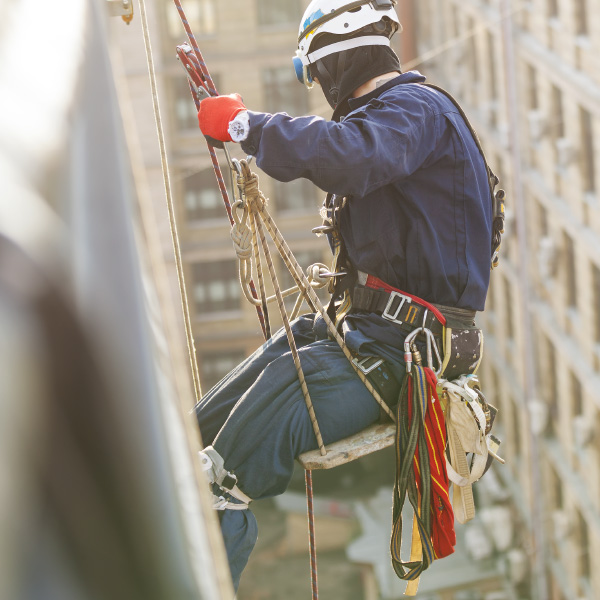
- Boatswain chairs and retrieval systems — used for the safe entry, positioning and emergency extraction of workers from confined spaces
- Personal protective equipment — including coveralls, gloves, safety footwear, hard hats and eye protection appropriate to the specific confined space hazards
- Communication equipment — including intrinsically safe radios and signal systems for maintaining contact between entrants and the standby person
In addition, learners will learn how to conduct pre-entry equipment checks and ensure that all PPE is correctly fitted, fully functional and appropriate for the specific confined space being entered.
Identifying Training Requirements and Training Unskilled Workers
Understanding Training Obligations
Every employer has a legal obligation to ensure that workers entering confined spaces are adequately trained before entry is permitted. This module consequently equips learners with the knowledge to identify the training requirements for unskilled workers who are required to work in confined spaces — and to deliver basic confined space awareness training to those workers.
Training Unskilled Workers
Furthermore, learners will develop the skills to assess the competency levels of unskilled workers, identify gaps in their knowledge and understanding, and deliver structured on-the-job training to ensure that all workers entering confined spaces understand the hazards, controls and emergency procedures applicable to their specific work environment.
Confined Space Entry Permit System
In addition, learners will be able to identify all the necessary paperwork and documentation required before entering a confined space — including confined space entry permits, gas test records, PPE checklists, standby person assignments and emergency rescue plans. As a result, learners will be able to ensure that all administrative and documentary requirements are in place before any confined space entry is authorised.
Planning and Implementing Emergency Procedures
Developing a Confined Space Emergency Plan
A confined space emergency can develop rapidly — and without a properly planned and rehearsed emergency response, the consequences can be fatal. This module therefore equips learners with the knowledge and practical skills to plan, develop and implement emergency procedures for confined space entry operations.
Emergency Response Procedures
Furthermore, learners will learn how to respond effectively to a range of confined space emergencies — including gas exposure, oxygen deficiency, entrapment, flooding and worker collapse. In addition, learners will develop the ability to coordinate an emergency rescue without endangering the standby person or other rescue team members — as many confined space fatalities involve would-be rescuers who enter without proper equipment or training.
Rescue Equipment and Techniques
As a result of completing this module, learners will be able to select and deploy the appropriate rescue equipment — including retrieval systems, tripods, winches and breathing apparatus — and coordinate the safe extraction of an incapacitated worker from a confined space. Furthermore, learners will understand when to call for specialist rescue services and how to manage the incident scene until emergency services arrive.
Explaining Relevant Occupational Health and Safety Regulations
Legal Framework for Confined Space Entry
Understanding the legal framework governing confined space entry is not optional — it is a fundamental requirement for every person responsible for authorising, supervising or performing confined space entry work in South Africa. This module consequently equips learners with a thorough understanding of the relevant OHS Act regulations, Construction Regulations and industry codes of practice that apply to confined space entry.
OHS Act Requirements
Furthermore, learners will develop a working knowledge of the specific sections of the OHS Act that apply to confined space entry — including the general duty of care, employer obligations, worker rights and the legal consequences of non-compliance. In addition, learners will understand the role of the Department of Labour inspector and their authority to issue prohibition notices and shut down confined space entry operations that are non-compliant.
Applying Legal Requirements on Site
As a result of completing this module, learners will be able to apply the requirements of the OHS Act and Construction Regulations practically on site — ensuring that all confined space entry operations are planned, authorised, supervised and documented in full compliance with South African law. Furthermore, learners will understand their personal legal obligations as a competent person responsible for confined space entry safety — and the consequences of failing to meet those obligations.
.Entry Level Requirements Into This Programme?
- Certified copy of your ID document
- School certificate Grade 9 or Skills certificate
- In possession of a Valid medical certificate from registered occupational practitioner
Learning Assumed To Be In Place And Recognition Of Prior Learning:
- ABET Level 4 Literacy
- ABET Level 3 Numeracy
Who Should Attend?
This CETA-accredited Confined Space Entry Training course is designed for all employees responsible for working and intending to work in confined space entry. It is specifically recommended for:
- Construction and civil engineering workers — entering confined spaces such as manholes, stormwater culverts, underground vaults, pipe trenches and excavations on construction and infrastructure projects
- Plumbers and drainage contractors — working inside pipes, manholes and underground drainage structures where confined space hazards are a daily reality
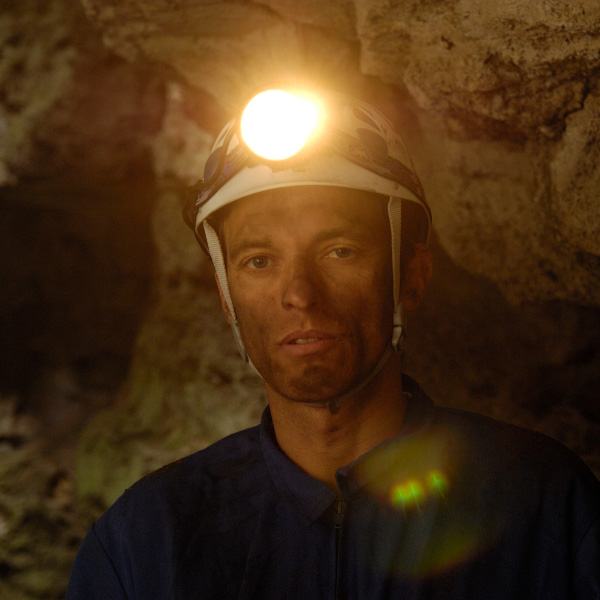
- Mining and tunnelling workers — entering confined underground spaces where oxygen deficiency, toxic gases and engulfment are constant risks
- Manufacturing and industrial plant workers — entering tanks, vessels, silos, hoppers and other enclosed industrial equipment for maintenance, inspection and repair
- Wastewater and sewerage treatment workers — entering pump stations, digesters, wet wells and underground chambers where toxic gases such as hydrogen sulphide are present
- Petrochemical and oil and gas industry workers — entering storage tanks, pipelines and process vessels where flammable and toxic gases pose an extreme risk
- Shipbuilding and marine industry workers — entering ship holds, ballast tanks and other confined spaces in vessel construction and maintenance environments
- Rescue and emergency response personnel — trained to respond to confined space incidents and perform rescues safely without becoming casualties themselves
- Supervisors and health and safety officers — responsible for ensuring that all workers entering confined spaces comply with the legal requirements of the OHS Act and Construction Regulations
- Any employee — in any industry required to enter, work in or supervise work in any space that meets the definition of a confined space under South African law