Provide first aid as an advanced first responder (Level 3)
When a complex medical emergency strikes, the difference between life and death is a trained advanced first responder. Equip your team with the knowledge, skills and confidence to act — with this CETA-accredited Advanced First Aid course from SACTS.
DESCRIPTION
Unit Standard (SAQA Reg. No 376480)
This course is intended to enable the first responder in an emergency situation to react to health emergencies at an advanced first aid level — also known as a Level 3 first aid course — and is designed for those looking for a more comprehensive and deeper understanding of first aid events and emergencies, until the arrival of more qualified emergency personnel.Furthermore, advanced first aid training is one of the most valuable safety qualifications available to any organisation operating in a high-risk environment. As a result, qualified Level 3 advanced first responders are in high demand across construction, mining, manufacturing, transport and logistics industries throughout South Africa.
Why Advanced First Aid Training Matters
Medical emergencies in the workplace can occur without warning — and in the critical minutes before ambulance services arrive, a trained advanced first responder can mean the difference between life and death. Furthermore, the OHS Act requires every employer to have a sufficient number of trained first aiders on site at all times. As a result, this Level 3 advanced first aid qualification ensures your organisation is not only legally compliant — but genuinely prepared for any medical emergency.
Certificate Validity
The certificate of competency associated with this unit standard will only be valid for three years — to ensure relevancy with rapidly changing internationally researched emergency care protocols. Consequently, advanced first responders must renew their qualification every three years to maintain their certification and stay current with the latest emergency care guidelines.
Successful candidates credited with this unit standard are able to:
- Explaining the principles of advanced primary emergency care in all health emergencies
- Demonstrating an advanced level of preparedness to deal with potential emergencies
- Assessing and managing a complex emergency scene/disaster
- Explaining the applied anatomy and physiology of the human body systems and describing the emergency care management of disorders and diseases relating to each physical system
- Applying primary emergency life support for all age groups according to international and/or national protocols
- Explaining and managing shock
COURSE DURATION: 5 days
NQF LEVEL: 3
CREDITS: 8
Quality Assured Partner: Construction Education And Training Authority
Description
The certificate of competency associated with this unit standard will only be valid for three years only to ensure relevancy with rapidly changing internationally researched emergency care protocols. The area of focus of this course will be;
Principles of Advanced Primary Emergency Care
Advanced first aid begins with a thorough understanding of the principles of emergency care and the systematic approach to managing a medical emergency. This module consequently equips learners with the knowledge and practical skills to respond effectively to any medical emergency — from the initial assessment of the scene to the treatment and disposal of the casualty. Furthermore, learners will develop a thorough understanding of the aims of emergency care, the chain of survival, action at an emergency, approach, assessing the situation, getting others to help and universal precautions to standards of infection prevention. In addition, learners will develop the skills to determine the priorities of treatment — including airway and breathing, bleeding, unconsciousness, shock and other needs. Furthermore, learners will learn how to conduct a comprehensive patient examination — including assessment of the head, mouth, nose, eyes, face, ears, skull, neck, spine, trunk, arms and legs — and how to apply treatment principles to preserve life, prevent the condition worsening and promote recovery. In addition, learners will develop advanced resuscitation skills — including checking breathing, clearing the airway, mouth-to-mouth ventilation, artificial ventilation, external chest compression and resuscitation with two first aiders.
Advanced Level of Preparedness
A truly prepared first responder does not wait for an emergency to happen before planning their response. This module therefore equips learners with the knowledge and practical skills to develop and maintain an advanced level of emergency preparedness — covering the need for preparedness planning, emergency equipment storage and maintenance, and ensuring that the level of preparedness demonstrated is applicable to the specific risk site. Furthermore, learners will develop the ability to assess their workplace environment, identify potential emergency scenarios and develop site-specific emergency response plans — ensuring that their organisation is ready to respond effectively to any medical emergency.
Assessing and Managing a Complex Emergency Scene
Managing a complex emergency scene or disaster requires a calm, systematic and well-coordinated approach. This module consequently equips learners with the knowledge and skills to assess and manage a complex emergency scene or disaster — including identifying potential disasters in terms of their likelihood of occurrence and implementing the principles and methods of situational disaster management plans. Furthermore, learners will develop a thorough understanding of the key elements of disaster management — including prevention, mitigation, preparedness, response and relief, and rehabilitation. In addition, learners will learn how to identify and manage potential health hazards that may result from a complex emergency — including damage to health infrastructure, increased demands for medical attention, population displacement and major outbreaks of communicable diseases. Furthermore, learners will develop the skills to apply the method of triage and mobilisation activities for emergency services — relevant to the place of occurrence and the specific needs of the emergency.
Applied Anatomy, Physiology and Disease Management
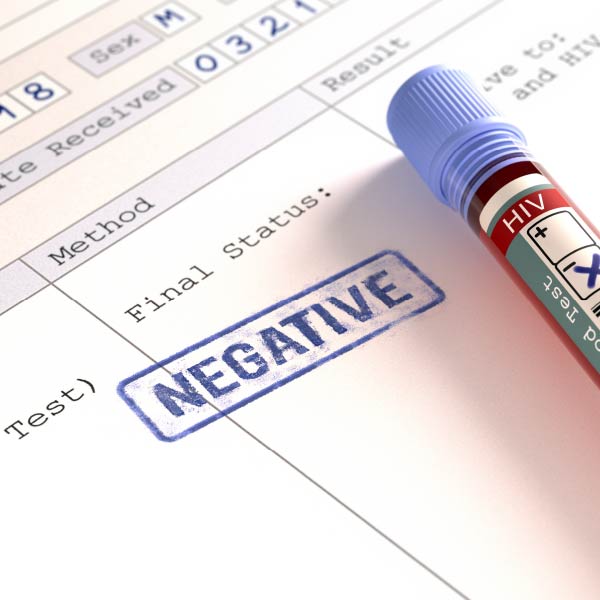
An advanced first responder must understand the human body — how it works and how it fails — in order to provide effective emergency care. This module therefore equips learners with a thorough understanding of the applied anatomy and physiology of the various human body systems — including the skin, nervous system, cardiovascular system, immune system, digestive system and musculoskeletal system. Furthermore, learners will develop a working knowledge of common disorders and diseases relevant to each body system — including circulatory disorders such as angina, cardiac arrhythmia, atherosclerosis, cardiomyopathy, coronary artery disease, hypertension and peripheral vascular disease. In addition, learners will develop an understanding of immune system disorders — including HIV/AIDS, allergies, anaphylaxis and asthma — and their implications for emergency care management in the workplace.
Primary Emergency Life Support
This is the core practical module of the course — covering the hands-on life support skills that every advanced first responder must master. Learners will consequently develop advanced practical skills in primary emergency life support — including checking the airway, checking breathing and managing airway obstruction and choking. Furthermore, learners will develop advanced CPR skills — including one and two rescuer CPR demonstrated with the use of barrier ventilation devices and appropriately sized manikins. In addition, learners will learn about oxygen therapy — including what oxygen is, how to identify the need for oxygen and how much oxygen should be administered. Furthermore, learners will develop the skills to monitor pulse sites and pulse monitoring — ensuring that they can accurately assess a patient’s circulatory status throughout the emergency response.
Shock Recognition and Management
Shock is one of the most life-threatening conditions an advanced first responder will encounter — and without prompt recognition and management, it can be fatal. This module consequently equips learners with the knowledge and practical skills to explain and manage shock — including understanding the body’s compensation mechanism, identifying the signs and symptoms of shock and applying the correct treatment. Furthermore, learners will develop a thorough understanding of the different types of shock — including hypovolaemic, cardiogenic, distributive and obstructive shock — and the specific emergency care management required for each type. As a result, learners will be able to recognise shock early, intervene effectively and monitor the patient’s response to treatment until advanced medical care arrive
.Entry Level Requirements Into This Programme?
- Certified copy of your ID document
- School certificate Grade 10 or Skills certificate equivalent NQF Level 2
- In order for the learner to achieve this unit standard the learner must already be competent in SAQA ID 120496: “Provide risk-based primary emergency care/first aid in the workplace”.
Learning Assumed To Be In Place And Recognition Of Prior Learning:
- Communication at NQF Level 2.
- Mathematical literacy at NQF Level
Who Should Attend?
This CETA-accredited Advanced First Aid course is designed for all companies that want to ensure their employees are equipped to deal with any emergency situations that will require first aid and ensure legal compliance. It is specifically recommended for:
- Level 2 First Aid Certificate holders — learners must already be competent in SAQA ID 120496: Provide risk-based primary emergency care/first aid in the workplace before enrolling in this Level 3 course
- Designated workplace first aiders in high-risk industries — including construction, mining, manufacturing, petrochemical and heavy engineering environments where serious trauma and life-threatening emergencies are more likely to occur
- Emergency response team leaders — responsible for coordinating first aid response on site and managing complex emergency scenes until ambulance services arrive
- Security and armed response personnel — regularly first on scene at incidents involving trauma, cardiac events and other serious medical emergencies
- Offshore, maritime and remote site workers — operating in environments where ambulance response times are long and advanced first aid capability is critical
- Construction and civil engineering site first aiders — dealing with trauma, crush injuries, fractures and environmental emergencies on high-risk worksites
- Mining and quarrying first aiders — responding to medical emergencies in underground and surface mining environments where specialist emergency services may be delayed
- Transport and logistics first aiders — responding to road accidents, vehicle incidents and medical emergencies in transport and distribution environments
- Sports and event safety officials — responsible for medical response at large gatherings, sporting events and public venues
- Aspiring emergency medical technicians — using this qualification as a stepping stone towards a formal EMS career pathway