Lift and move material and equipment by means of a forklift
Every year, forklift accidents injure and kill workers across South Africa. The difference between a safe operator and a dangerous one is proper training. Get your team CETA-certified in forklift operation with this 1-day course from SACTS.
DESCRIPTION
Unit Standard (SAQA Reg. No 244365)
Workplace injuries cost South African businesses millions of rands every year — and manual handling is one of the leading causes. Back sprains, muscle pulls, wrist injuries, elbow injuries and spinal damage are among the most common injuries suffered by workers who lift and move heavy loads without the right equipment or training.The solution is simple — train your operators to use a forklift correctly.
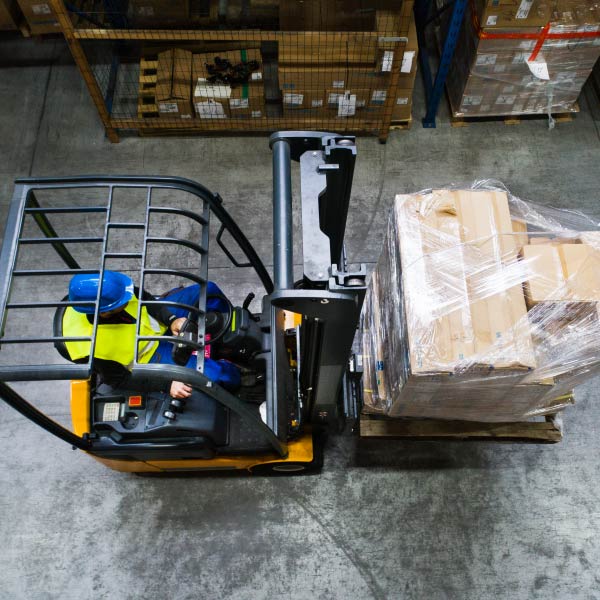
A forklift is a powered industrial truck designed to lift and move materials safely over short distances. In construction, warehousing and mining environments, forklifts play a critical role in transporting materials from storage to processing areas — reducing the physical strain on workers and significantly lowering the risk of handling injuries on site.
Furthermore, a load is defined as any material or person lifted or lowered by lifting equipment. As a result, safe forklift operation is not just about moving pallets — it is about protecting every person in the vicinity of a lifting operation. Consequently, operators who are properly trained are not only safer — they are more productive, more confident and more valuable to your business.
Successful learner of this standard will be able to:
- Explain the specified requirements pertaining to lifting, securing, transferring and positioning of loads.
- Prepare for lifting, securing, transferring and positioning of loads.
- Operate the forklift.
- Perform post-lifting, securing, transferring and positioning activities.
COURSE DURATION: 1 day
NQF LEVEL: 2
CREDITS: 3
Quality Assured Partner: Construction Education And Training Authority
Description
This course is intended to promote general skills, knowledge and understanding of persons responsible for lifting and moving material and equipment by means of a forklift in the mining and minerals sector in order to ensure knowledgeable, competent and informed workers. The area of focus of this course will be:
What is a Forklift
Who can operate the forklift
What should an operator do when operating the forklift truck
What should an operator not do when operating a forklift truck
Occupational health and safety- working near powerlines
Working beneath powerlines
Fire prevention
What are elements of the emergency plan
- Objective
- Organization
- Procedures
Why should you follow safety precautions when charging batteries
What are some precautions to use when handling battery acid
What do I do if someone gets sulfuric acid on their skin
What do I do if someone gets sulfuric acid in their eyes
Danger of exploding batteries
What should I do when charging batteries
What should I do when servicing batteries
How should you load the forklift truck
How should you insert the fork when loading the forklift truck
How should you raise the load
What vehicles can you load and unload using forklift trucks
How should you prepare the work area for using a forklift truck for loading/unloading operation
When should an operator inspect the forklift truck
What does a daily inspection involve
What should an operator inspect during the visual pre-use check
What should an operator inspect during the operational pre-use check
What factors contribute to forklift trucks accidents
What factors of work organization can contribute to forklift trucks accidents
What behavioural and operational factors can contribute to forklift trucks accidents
How can workplace design contribute to forklift trucks accidents
What characteristics of the load create a hazard
What mechanical conditions or design features increase the risk for forklift accidents
How can accidents with pedestrians be reduced or avoided
How do you maintain control when handling pallets
How do you maintain control when lifting, tilting, and stacking a load
How do you maintain control when traveling
How should you steer to maintain control
How do you maintain control when driving in reverse
How do you maintain control when traveling up or downhill
- Forks
- Pedestrians
- Loading Docks
- Loads
What should you do to load (unload) vehicles using a forklift truck
When loading railway cars, what is important to know
What should I do when using a forklift truck in an elevator
Post Operation
Maintenance
How often should the forks of forklift trucks be inspected
What are some important points of a periodical (six months) fork inspection
What are some things you should not do to forklift forks
Entry level requirements into this programme?
Learners are already competent in terms of the following outcomes or areas of learning when starting to learn towards this unit standard:
- Operate a forklift, and should also understand the role that lifting and moving of loads plays in the complete process of mining at NQF Level 2.
- Follow basic occupational health and safety practices underground at NQF Level 1.
WHO SHOULD ATTEND
This CETA-accredited Forklift Operator Training course is designed for forklift operators responsible for lifting, securing, transferring and positioning loads in the mining and minerals sector. It is specifically recommended for:
- Forklift operators in the mining and minerals sector — who need to understand the role that lifting and moving of loads plays in the complete process of mining at NQF Level 2 and require formal certification to operate safely and legally on site
- Construction site forklift operators — lifting and moving building materials, equipment and supplies on construction and civil engineering sites where safe load handling is a daily operational requirement
- Warehouse and distribution centre workers — responsible for the lifting, stacking and movement of palletised loads in warehouse and logistics environments
- Manufacturing plant operators — using forklifts to move raw materials, work-in-progress and finished goods between production areas and storage facilities
- Logistics and freight handling personnel — loading and off-loading vehicles, containers and freight using forklift equipment in yard and terminal environments
- Mining and quarrying workers — operating forklifts in surface and underground mining environments where lifting and moving of loads forms part of the complete mining process
- New forklift operators — requiring a foundational qualification in forklift operation before progressing to the full TETA-accredited counterbalanced lift truck F1–F3 course
- Supervisors and safety officers — responsible for overseeing forklift operations and ensuring compliance with the OHS Act and relevant lifting machine regulations