
Operate a wheeled dozer
A wheeled dozer is one of the most powerful and mobile earthmoving machines on any construction or mining site. Train your operators to use it safely, professionally and legally — with this CETA-accredited Wheeled Dozer Operator Training course from SACTS.
DESCRITPION
Unit Standard 262713
Wheeled dozer operator training is an essential qualification for any construction plant operator required to operate a wheeled dozer on a construction, mining or civil engineering site in South Africa. A wheeled dozer is a powerful and versatile earthmoving machine — mounted on large rubber tyres that give it greater mobility, higher travel speeds and the ability to move efficiently between work areas without damaging sealed road surfaces.Furthermore, wheeled dozers are widely used across construction, mining, road building and civil engineering environments — for bulk earthmoving, site clearing, land levelling, road base preparation and stockpile management. As a result, qualified wheeled dozer operators are in high demand across South Africa’s construction and mining sectors.
Why Wheeled Dozer Operator Training Matters
An untrained wheeled dozer operator is one of the biggest sources of workplace injury, equipment damage and legal liability on any construction or mining site. Furthermore, the OHS Act and Construction Regulations require all construction plant operators to be trained and competent before operating any machine on site. As a result, investing in wheeled dozer operator training protects your people, reduces your risk and keeps your business legally compliant.
The qualifying learner will be capable of:
- Demonstrating knowledge of the functions of a wheeled dozer.
- Planning for work activities and prepare work area.
- Starting and shutting down wheeled dozer.
- Operating wheeled dozer.
- Transporting wheeled dozer to and from site.
COURSE DURATION:
- 5 Days Novice
- 1 Day Re-certification
NQF LEVEL: Level 2
CREDITS: 12 Credits
Quality Assured Partner: Construction Education and Training Authority
Description
The qualifying learner will be able to operate a wheeled dozer by understanding the functions of starting, shutting down and operating procedures for the machine. Learners who master the applied competence described in this unit standard will contribute to the development of a professional community of Construction Plant operators. The area of focus of this course will be:
Knowledge of the Functions of a Wheeled Dozer
Understanding the Wheeled Dozer
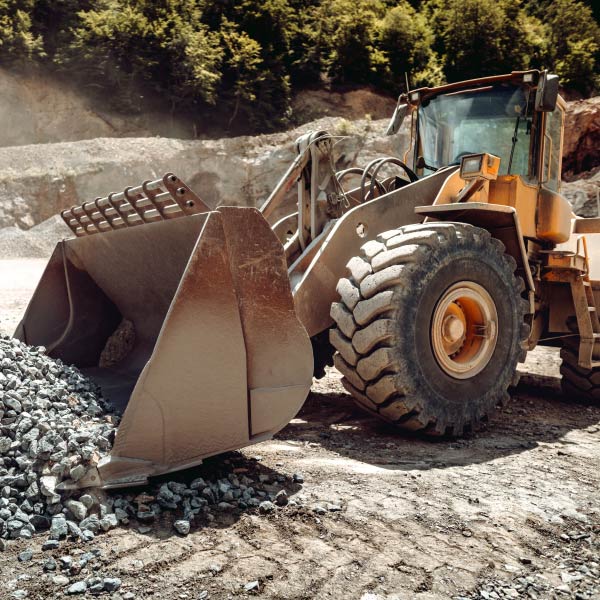
A wheeled dozer is a powerful and versatile earthmoving machine used across a wide range of construction, mining and civil engineering applications. Unlike a tracked dozer, a wheeled dozer is mounted on large rubber tyres — giving it greater mobility, higher travel speeds and the ability to move efficiently between work areas on site without causing damage to sealed road surfaces. This module consequently introduces learners to the key components, parts and functions of a wheeled dozer — giving them the foundational knowledge required to operate the machine safely and professionally on any construction or mining site.
Parts and Components
Furthermore, learners will develop a thorough understanding of the wheeled dozer’s key components — including the blade, push arms, blade tilt and angle cylinders, hydraulic system, articulated frame, engine, transmission, axles, tyres, ROPS cab and operator controls. As a result, learners will be able to identify and describe the function of every major component before they begin operating the machine.
Controls and Instrument Panel
In addition, learners will be introduced to the full range of controls and instruments in the operator’s cab — including the steering wheel, blade controls, tilt and angle controls, transmission selector, differential lock, engine speed control, ignition system and instrument panel. Consequently, learners will understand the purpose and function of every control before the machine is started for the first time.
Planning for Work Activities and Preparing the Work Area
Pre-Operation Planning
Before any wheeled dozer operation begins, a qualified operator must plan carefully and prepare the work area thoroughly. This module consequently equips learners with the skills to assess site conditions, interpret survey pegs and dozing instructions, identify hazards and develop a safe work plan for the wheeled dozer operation — ensuring that all work is carried out safely, efficiently and in full compliance with the OHS Act and Construction Regulations.
Site Assessment and Hazard Identification
Furthermore, learners will learn how to identify and assess site-specific hazards before operations begin — including underground utilities, unstable ground conditions, proximity to excavations and embankments, overhead power lines and other site traffic. In addition, learners will apply the requirements of the OHS Act and Construction Regulations to ensure that the work area is safe before the machine is started.
Coordinating with Other Trades
As a result of completing this module, learners will be able to coordinate effectively with other trades and contractors on site — including excavator operators, grader operators, compaction roller operators and haulage truck drivers — ensuring that wheeled dozer operations proceed safely and without risk to other workers, members of the public or surrounding infrastructure.
Pre-Start and Daily Checks
Furthermore, learners will develop the knowledge and practical skills to conduct a comprehensive daily pre-start inspection of the wheeled dozer — checking all fluid levels, tyre pressures, blade condition, safety systems, hydraulic components and control functions before operation begins. Consequently, learners will be able to identify and report any defects or maintenance requirements before the machine is put into service.
Starting and Shutting Down the Wheeled Dozer
Pre-Start Inspection Procedures
A thorough pre-start inspection is the first line of defence against mechanical failure and operator injury. This module therefore equips learners with the knowledge and practical skills to conduct a comprehensive pre-start inspection of the wheeled dozer — verifying that all systems are fully operational and safe before the machine is started.
Start-Up Procedures
In addition, learners will develop the practical skills to start the wheeled dozer safely and in accordance with the manufacturer’s specifications and site safety requirements. Furthermore, learners will complete a start-up checklist — ensuring that the engine, hydraulic system, blade controls and safety systems are all fully functional before any dozing operations begin on site.
Safe Shutdown Procedures
This module also covers the correct shutdown and close-down procedures for the wheeled dozer — including safe parking on level ground, lowering the blade to the ground, securing the machine on site, completing logbooks and other post-operation checklists, and reporting any defects or maintenance requirements identified during the work shift. As a result, learners will be able to hand over a safe and properly secured wheeled dozer at the end of every work shift.
Operating the Wheeled Dozer
Principles of Operation
This is the core practical module of the course — covering the fundamental operating principles that every professional wheeled dozer operator must understand. Learners will consequently develop a thorough understanding of wheeled dozer operating principles — including centre of gravity, machine stability, blade loading principles, hydraulic system operation, articulated steering and tyre traction management — and how these affect the safe and efficient operation of the machine in all ground and weather conditions.
Dozing Techniques and Best Practices
Furthermore, learners will develop hands-on practical skills across a full range of wheeled dozer operations — including bulk earthmoving, site clearing, land levelling, road base preparation, stockpile management, cut and fill operations and material spreading. In addition, learners will learn how to set up the blade correctly for each application — including blade angle, tilt and height adjustments — to achieve maximum productivity and accuracy in all dozing operations.
Dealing with Difficult Ground Conditions
As a result of completing this module, learners will be able to identify and respond to difficult ground conditions — including soft ground, steep gradients, wet and slippery surfaces, rocky terrain and loose material — and adjust their operating technique accordingly to maintain safe and efficient wheeled dozer operations at all times.
Proximity and Hazard Awareness
Furthermore, learners will develop a working knowledge of hazard awareness during wheeled dozer operations — including proximity of other machines, pedestrians, underground services and overhead hazards. In addition, learners will learn how to use warning devices, signals and safety features correctly — and how to respond to common wheeled dozer faults and operational issues before they escalate into equipment damage or operator injury.
Transporting the Wheeled Dozer To and From Site
Safe Transportation Procedures
Transporting a wheeled dozer to and from site carries its own unique set of risks — and consequently requires the same level of care and planning as the dozing operation itself. This module therefore equips learners with the knowledge and practical skills to prepare the machine for transportation — including lowering and securing the blade, checking tyre pressures and ensuring that the machine is roadworthy and legally compliant before departure.
Road Transport Requirements and Legal Compliance
Furthermore, learners will learn about the legal requirements governing the transportation of heavy construction plant on public roads in South Africa — including driver’s licence requirements, abnormal load permits, escort vehicle requirements, height and width restrictions and road traffic legislation. In addition, learners will understand their responsibilities as the operator of a heavy vehicle on public roads — including speed limits, overtaking restrictions and the correct response to vehicle breakdowns and emergencies.
Loading, Securing and Offloading
As a result of completing this module, learners will be able to safely load the wheeled dozer onto a lowbed trailer for transportation — including correct positioning, securing and tie-down procedures. Furthermore, this module covers the safe offloading of the wheeled dozer from the transport vehicle and the correct positioning of the machine on site before dozing operations begin — ensuring that the machine is safely and correctly set up for the work ahead without risk to the operator, other workers or the public.
Entry Requirements
To enrol in the Wheeled Dozer Operator Training course, learners must meet the following minimum requirements:
- A certified copy of a valid South African ID document
- A Grade 9 (Std 7) school certificate or equivalent
- Must be at least 18 years of age
- A medical certificate confirming fitness to operate the machine
- An eye test result issued by a person trained to carry out such tests
Who Should Attend?
This CETA-accredited Wheeled Dozer Operator Training course is designed for anyone who operates or is required to operate a wheeled dozer in a construction, mining or civil engineering environment. It is specifically recommended for:
- New wheeled dozer operators (Novice) — individuals with no prior wheeled dozer experience who need to become fully qualified to operate a wheeled dozer safely and professionally on construction and mining sites
- Existing operators due for re-certification (Refresher) — operators required to renew their certification and demonstrate continued competence in wheeled dozer operation
- Construction and civil engineering workers — using wheeled dozers for bulk earthmoving, site clearing, land levelling, road base preparation and cut and fill operations on construction and infrastructure projects
- Mining and quarrying personnel — operating wheeled dozers for overburden removal, stockpile management, haul road maintenance and general surface earthmoving in open-cast and surface mining environments
- Road construction and maintenance crews — using wheeled dozers for road widening, embankment construction, road base preparation and bulk earthmoving on road construction and rehabilitation projects
- Land development and township establishment contractors — clearing, levelling and preparing large tracts of land for residential, commercial and industrial development
- Demolition and site clearance contractors — using wheeled dozers for the removal of demolition rubble, site clearing and bulk material pushing on demolition and site preparation projects
- Heavy earthmoving plant operators — looking to add a wheeled dozer qualification to their existing plant operator credentials and expand their range of certifiable machine types
- Supervisors and health and safety officers — responsible for overseeing wheeled dozer operations and ensuring compliance with the OHS Act and Construction Regulations on construction and mining sites